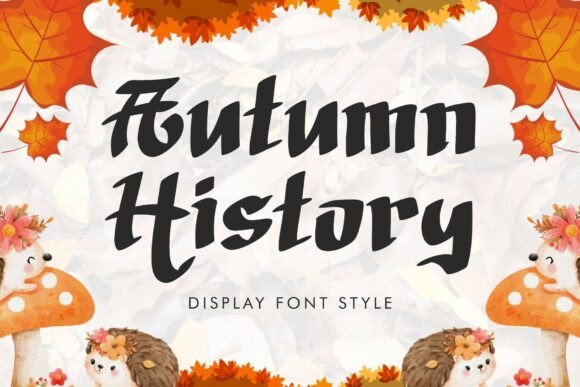
Autumn History: A Bold Font Bridging Vintage Aesthetics and Modern Design Needs
In the ever-evolving world of typography, fonts are more than just visual elements—they’re storytellers. One such typeface capturing the attention of designers and brands alike is Autumn History. This bold and nostalgic display font seamlessly blends vintage flair with seasonal charm, making it a standout choice for fall-themed creative projects. With its sharp strokes and medieval-inspired letter style, Autumn History is more than just a seasonal trend; it’s a reflection of a growing design movement that values authenticity, warmth, and historical resonance.
Understanding Autumn History: A Typeface with Character
At its core, Autumn History is designed to evoke a sense of timelessness. Its letterforms are inspired by historical calligraphy and medieval scripts, giving it a distinctive edge that’s both elegant and expressive. Unlike many modern sans-serif fonts that prioritize minimalism, Autumn History leans into the ornate, making it ideal for projects that require a sense of gravitas and personality.
What sets Autumn History apart is its versatility. While it carries a strong historical aesthetic, it's not limited to purely classical applications. The font includes full uppercase, lowercase, and numerals, allowing it to adapt across a range of design contexts—from elegant wedding invitations to rustic signage and seasonal marketing materials.
The Rise of Seasonal Typography in Design
In recent years, there’s been a noticeable shift in how designers approach seasonal branding. Consumers are increasingly drawn to authenticity, nostalgia, and tactile experiences—especially during the fall season. This has led to a surge in demand for fonts like Autumn History that can communicate warmth, heritage, and craftsmanship.
Typography is no longer just about legibility or brand consistency; it’s about emotional connection. Autumn History fits perfectly into this evolving design landscape by offering a visual language that feels both familiar and fresh. Its popularity among creators and entrepreneurs is a testament to how deeply typography can influence consumer perception and engagement.
Why Designers Are Turning to Autumn History
There are several reasons why Autumn History is gaining traction among professionals across creative industries:
- Emotional resonance: The font’s vintage and medieval influences evoke a sense of nostalgia that aligns well with fall themes, making it ideal for seasonal campaigns.
- Visual impact: As a bold display font, it commands attention without being overwhelming, making it perfect for headlines, logos, and key messaging.
- Versatility: Whether used in print or digital formats, Autumn History maintains its character, offering flexibility for both classic and playful design aesthetics.
- Seasonal relevance: With its strong autumnal tone, it naturally fits into marketing, packaging, and content strategies centered around fall holidays like Thanksgiving, Halloween, and harvest festivals.
Practical Applications for Autumn History
Designers are finding innovative ways to incorporate Autumn History into their work. Here are a few real-world examples:
- Cozy Invitations: Wedding and event planners are using the font for save-the-dates and invitations that reflect a rustic, autumnal theme.
- Thanksgiving Menus: Restaurants and caterers are leveraging the font’s warm, elegant look to create visually appealing seasonal menus.
- Rustic Signage: From pumpkin patches to boutique storefronts, Autumn History adds a touch of charm to signage and window displays.
- Seasonal Quotes: Social media influencers and content creators are using the font in quote graphics that resonate with their fall audiences.
- Storybook Crafts: Crafters and small business owners are incorporating the font into handmade cards, journals, and DIY décor.
Connecting Autumn History to Larger Design Trends
The growing popularity of Autumn History is not an isolated phenomenon. It reflects broader shifts in the creative and business landscape:
- The return of tactile and vintage aesthetics: In a digital-first world, there’s a renewed appreciation for textures, handcrafted elements, and historical design cues.
- Brand storytelling through typography: Brands are using fonts to tell stories and evoke emotions, not just convey information.
- Seasonal marketing as a strategic asset: Businesses are investing more in seasonal campaigns that create urgency and emotional connection—especially around holidays and cultural moments.
- Personalization in design: Consumers are gravitating toward designs that feel personal and curated, and Autumn History supports that by adding a unique, expressive touch.
Meeting the Evolving Needs of Designers and Consumers
As creative professionals and entrepreneurs adapt to changing consumer expectations, they’re looking for tools that offer both aesthetic appeal and functional flexibility. Autumn History delivers on both fronts. Its ability to blend historical elegance with seasonal warmth makes it a valuable asset for those looking to stand out in crowded digital and physical marketplaces.
Moreover, the font aligns with current trends in remote work, freelance design, and small business branding. With more individuals and micro-brands entering the creative economy, there’s a greater demand for accessible yet distinctive design tools. Autumn History offers a way for these creators to elevate their work without needing advanced design skills or expensive resources.
Conclusion: Designing with Intention and Emotion
In today’s design landscape, typography is more than a functional element—it’s a strategic choice. Autumn History exemplifies how fonts can bridge the gap between past and present, tradition and innovation, aesthetics and emotion. For professionals, marketers, and creatives looking to connect with audiences on a deeper level, this font offers a compelling solution.
Whether you're crafting a cozy invitation, designing a seasonal campaign, or creating a rustic brand identity, Autumn History provides the character and warmth that modern audiences are seeking. As design continues to evolve, fonts like Autumn History will remain relevant—not just for their visual appeal, but for the stories they help tell.