Beamline: Integrating Bold Typography into Modern Design Workflows
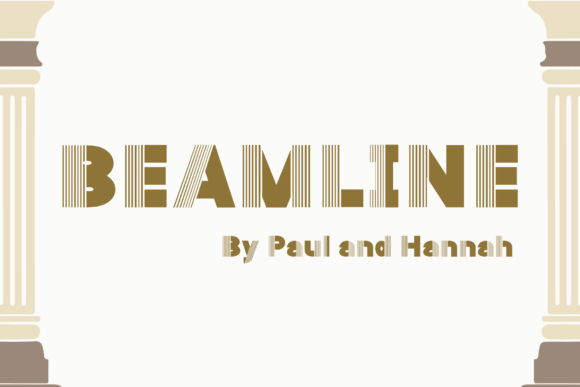
Typography plays a crucial role in design, shaping how information is perceived and experienced. Beamline emerges as a standout choice for designers seeking a typeface that balances bold geometric structure with intricate detail. Designed with a split-beam aesthetic, Beamline combines solid forms and thin parallel lines to create a visually dynamic and futuristic appearance. This makes it particularly effective in projects that demand a contemporary, artistic edge—whether in branding, editorial design, or digital art.
Understanding Beamline’s Design Language
At its core, Beamline is a display typeface built for impact. Its high-contrast construction—where heavy shapes meet delicate lines—introduces depth and rhythm that few fonts can replicate. This duality allows it to function both as a statement-making headline font and a design element that contributes to overall composition. The experimental nature of its structure appeals to modern brands and creatives who want to communicate innovation and forward-thinking aesthetics.
Designers familiar with geometric sans-serif fonts will appreciate how Beamline pushes beyond conventional form. It’s not merely a typeface—it’s a visual motif that can influence the direction of a layout, logo, or visual identity system. Its strength lies in its ability to command attention without overwhelming surrounding design elements, making it versatile across print and digital formats.
Preparation and Planning: Setting the Stage for Beamline
Before integrating Beamline into any project, it’s important to consider its role within the broader design ecosystem. Typography should never exist in isolation; it must align with brand identity, visual tone, and functional requirements. Begin by evaluating the purpose of the project—whether it’s a poster, album cover, or editorial layout—and determine how Beamline’s distinctive style can enhance the message.
For branding applications, test Beamline in various logo concepts to see how it interacts with color, iconography, and supporting fonts. In editorial contexts, consider how its visual rhythm complements imagery and layout structure. Early-stage mockups can help determine whether Beamline will serve as a dominant visual element or a supporting typographic voice.
Using Beamline During the Creative Process
Once the decision to use Beamline is made, the next step is to integrate it into the active design process. Its high contrast and structural uniqueness make it ideal for titles, headers, and other typographic focal points. However, it’s best used sparingly in body text due to its decorative nature. Here are a few practical ways to incorporate Beamline effectively:
- Poster and Print Design: Use Beamline for headlines to create a bold visual impact. Pair it with minimalist sans-serif fonts for body copy to maintain readability.
- Brand Identity: Apply Beamline in logo variations or sub-branding elements to reinforce a modern and artistic tone.
- Album Covers and Packaging: Leverage its futuristic look to align with music genres like electronic, ambient, or experimental.
- Digital Art and UI Elements: Use Beamline in interface design where visual interest and typographic hierarchy are key.
As with any typeface, consistency is crucial. Establish clear typographic rules for how Beamline will be used across different mediums. This includes font sizing, spacing, color contrast, and alignment with other design components. Using Beamline in a structured way ensures it enhances rather than disrupts the visual flow.
Compatibility and Usability Across Platforms
Beamline performs well in both print and digital environments, but its effectiveness depends on proper implementation. When using it in web design, ensure that the font is web-optimized and properly embedded to maintain visual fidelity across devices. For print, always check resolution and color accuracy, especially when using Beamline in large-scale formats like billboards or packaging.
Compatibility with design software is another consideration. Most modern design tools—like Adobe Creative Suite, Figma, Sketch, and Canva—support custom font integration. Test Beamline in your preferred platform to ensure smooth rendering and ease of use. If working with a team, share font files or link to a shared asset library to maintain consistency across collaborators.
Post-Implementation: Quality Control and Long-Term Use
After integrating Beamline into a project, review its performance across different applications and contexts. Does it maintain visual clarity at various sizes? Does it align with the intended tone and message? These questions help ensure that Beamline continues to serve its purpose effectively over time.
For long-term branding or editorial use, establish a typographic style guide that outlines how Beamline should be applied across different media. This includes rules for spacing, weight variations, and combinations with other fonts. A well-documented system ensures that Beamline remains a cohesive and recognizable element of your visual language.
Workflow Integration: Making Beamline Part of Your Routine
Integrating Beamline into daily design workflows requires more than just installing the font. Consider the following tips to streamline its use:
- Font Pairing: Combine Beamline with complementary typefaces that balance its visual weight. Sans-serif fonts like Helvetica or Futura work well for contrast and readability.
- Asset Organization: Keep Beamline in a designated font folder or asset management system to avoid duplication or confusion.
- Efficient File Sharing: When collaborating, embed or link the font in design files to prevent fallback issues.
- Iterative Testing: Revisit how Beamline functions in different projects over time. Refine its usage based on real-world feedback and evolving design needs.
By embedding Beamline into your design toolkit in a thoughtful and structured way, you ensure that it contributes meaningfully to your creative output without becoming a stylistic crutch.
Final Thoughts: Beamline as a Design Catalyst
Beamline is more than a typeface—it’s a design catalyst that pushes boundaries and invites experimentation. Whether you’re crafting a logo, designing a poster, or building a digital interface, Beamline offers a unique visual language that can elevate your work. The key to its success lies in understanding how it fits within your creative process, how it interacts with other design elements, and how it supports your broader visual goals.
By approaching Beamline with intention and structure, you unlock its full potential as a modern, artistic, and highly adaptable typographic tool. Whether you're a seasoned designer or a small business owner looking to refine your brand, Beamline provides a striking way to communicate boldness, clarity, and innovation through typography.