Curse Font: Integrating Bold Creativity into Your Design Workflow
Typography plays a critical role in visual communication, and the Curse font emerges as a compelling choice for designers seeking to inject personality and boldness into their work. More than just a stylistic option, Curse offers a distinct aesthetic that complements a wide range of creative and commercial applications. Whether you're developing branding materials, crafting digital assets, or producing physical goods, integrating Curse into your workflow can elevate both the process and the final output.
Understanding Curse: A Typeface with Character
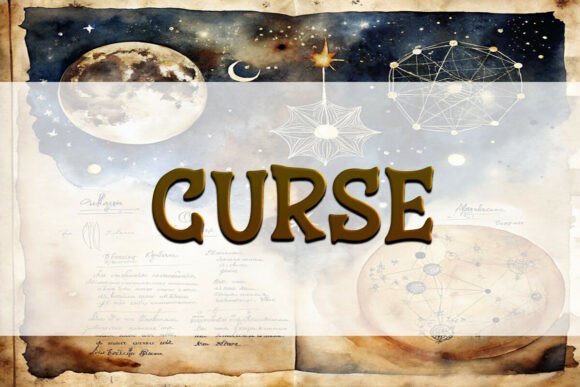
Curse is a bold, stylized font that carries a strong visual presence. Its design blends elements of edginess and elegance, making it versatile across multiple formats. Unlike generic fonts that fade into the background, Curse commands attention—making it ideal for projects where distinction matters. It’s especially effective in scenarios where design needs to communicate confidence, creativity, or a touch of rebellion.
From a practical standpoint, Curse works well in both print and digital environments. Its clarity at various sizes ensures legibility, while its unique character shapes allow for creative flexibility. This makes it a reliable asset whether you're working on a high-resolution magazine layout or a small sticker design.
Using Curse in the Creative Process
Integrating Curse into your workflow begins with understanding where and how it adds value. Here’s how it fits into different stages of a creative or business project:
Before the Project: Planning and Concept Development
In the early stages of a project, typography often influences the overall direction of the design. Curse can serve as a foundational element in mood boards or style guides, helping define the tone before any visuals are created. Its distinctive look can inspire color choices, layout structures, and even brand voice.
For example, if you're developing a new clothing brand with a bold, streetwear-inspired identity, using Curse in early mockups can help stakeholders visualize the brand's personality. This makes it easier to align creative decisions and streamline the approval process.
Drawing the Line: Typography in Execution
During the execution phase, Curse becomes a functional design element. Whether you're laying out a poster in Adobe Illustrator, creating SVG files for Cricut machines, or designing social media visuals, Curse adapts well to different platforms and tools. Its compatibility with design software like Photoshop, Canva, and Figma ensures smooth integration without requiring additional adjustments.
- Magazine layouts: Use Curse for impactful headlines or feature titles to draw reader attention.
- Greeting cards: Pair Curse with minimalist backgrounds to highlight emotional or celebratory messages.
- SVG and Cricut projects: Its clean lines and bold presence make it ideal for laser cutting and vinyl designs.
Post-Production: Refinement and Consistency
After the main design work is done, maintaining consistency becomes key. Curse can help unify multiple design assets—especially when used across different mediums like packaging, digital ads, and merchandise. It’s also useful in version control, where a consistent typeface ensures brand recognition across iterations.
For instance, if you're running a small business and producing seasonal product labels, using Curse consistently across all versions helps reinforce brand identity while reducing design complexity.
Curse in Real-World Applications
Let’s explore how Curse can be practically applied across different use cases and industries:
Branding and Marketing
Businesses looking to stand out can benefit from Curse’s strong presence in logo design, social media banners, and promotional materials. Its visual impact helps create memorable brand assets, especially in niche markets like lifestyle brands, creative agencies, or event promotions.
Consider using Curse for limited-time offers or bold calls to action in email marketing campaigns. Its readability and stylistic appeal make it effective for driving engagement without sacrificing professionalism.
Education and Content Creation
Educators and content creators can use Curse to highlight key learning points in presentations or infographics. When designing digital worksheets or printable flashcards, Curse adds a touch of visual interest that can improve learner retention.
For bloggers and YouTubers, Curse works well in thumbnail designs and video titles, helping content stand out in crowded feeds. Its adaptability across platforms ensures a cohesive look between blog graphics and video branding.
Personal Projects and Hobbies
Whether you're making custom stickers, designing greeting cards, or crafting personalized gifts, Curse enhances the emotional weight of your message. In crafting communities—especially those using tools like Cricut and Silhouette—Curse is a favorite for its clean outlines and expressive character.
For scrapbooking or journaling, Curse provides a bold alternative to standard handwriting fonts, making titles and captions pop without overwhelming the layout.
Optimizing Workflow with Curse
Successfully integrating Curse into your design process involves more than just selecting it from a font menu. Here are practical tips to ensure smooth implementation:
Preparation and Compatibility
Before using Curse, ensure it’s compatible with your design tools and output formats. Most modern design platforms support TTF and OTF fonts, but it’s always wise to test Curse in different environments before full-scale deployment. If you're using it for print, confirm that the font renders correctly in high-resolution PDFs and that all characters are embedded properly.
Organizing Your Design Assets
To maintain efficiency, organize your Curse-based projects with clear naming conventions and version control. If you're using it across multiple team members or platforms, consider creating a shared design system or template library that includes pre-approved Curse styles and usage guidelines.
Consistency Across Mediums
One of Curse’s strengths is its adaptability, but this also means it can be easy to overuse or apply inconsistently. Establish rules for when and how to use it—such as reserving it for headlines only or limiting its use to specific color palettes. This helps maintain visual harmony across your brand or project.
Long-Term Use and Scalability
As your design needs evolve, so should your use of typography. Curse can be a long-term asset if used thoughtfully. Consider how it fits into future campaigns, product lines, or digital assets. If you're building a brand, test Curse across different applications to ensure it remains effective as your audience and platforms grow.
Conclusion: Crafting Stories with Curse
Curse is more than a font—it's a storytelling tool. Whether you're designing a logo, crafting a digital post, or producing a physical product, Curse adds a layer of emotional depth and visual impact. By understanding how it fits into your creative process, you can use it not just to convey information, but to shape experiences.
When integrated thoughtfully, Curse becomes part of a larger workflow that values clarity, consistency, and creativity. From planning to execution, it supports both the technical and expressive aspects of design—making it a valuable asset for professionals and hobbyists alike.