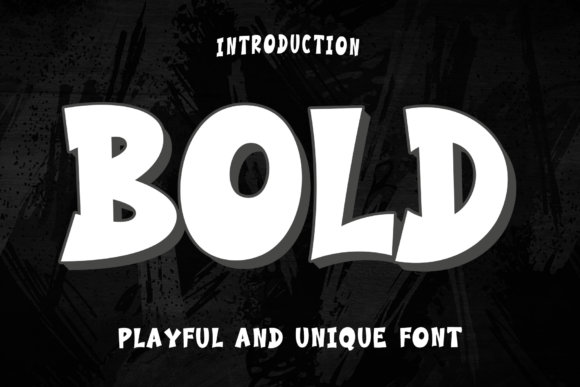
Bold: The Playful Typography Choice for Festive Designs
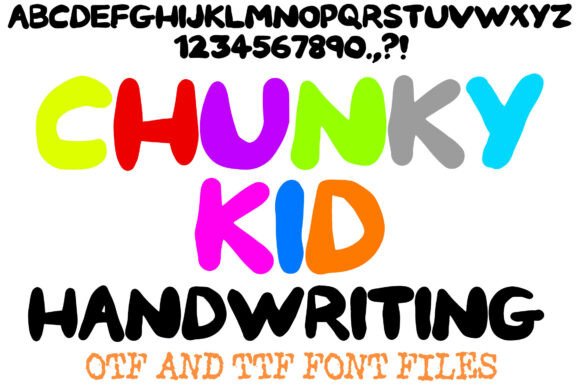
When it comes to holiday-themed design projects, the choice of font plays a crucial role in setting the tone and evoking the right emotions. Bold stands out as a cheerful, handwritten display font that brings a sense of warmth and whimsy to any design. With its rounded strokes and casual appearance, it’s no surprise that this font has become a go-to for designers looking to inject personality into seasonal content.
Understanding the Characteristics of Bold
The visual appeal of Bold lies in its distinct design elements. Unlike standard serif or sans-serif fonts, it features rounded edges and a slightly irregular structure that mimics natural handwriting. This gives it a personal and approachable feel, making it ideal for designs that aim to connect emotionally with the audience.
- Rounded strokes add softness and friendliness.
- Handwritten charm makes it feel authentic and relatable.
- Variable line thickness creates visual interest without overwhelming the reader.
These characteristics make Bold versatile enough to be used in both print and digital formats, especially during the holiday season when a sense of joy and celebration is paramount.
Why Designers Love Using Bold
Designers often seek fonts that can convey emotion and personality without compromising readability. Bold offers a balance between legibility and aesthetic appeal, making it a favorite among professionals in various fields.
- Emotional resonance: Its playful nature aligns well with holiday themes and joyful messaging.
- High readability: Despite its decorative appearance, it remains easy to read at various sizes.
- Versatile application: Whether used in print or digital media, it adapts well to different design contexts.
Many graphic designers and typographers appreciate how Bold can serve as a focal point in a design without overshadowing other visual elements. It pairs well with simpler fonts for body text, allowing for a cohesive yet dynamic layout.
Applications and Use Cases for Bold
The flexibility of Bold allows it to be used in a wide range of design scenarios. From greeting cards to digital advertisements, this font can enhance the visual storytelling of any project that calls for a warm and inviting tone.
Print Media
For physical designs such as Christmas cards, holiday invitations, and handmade gift tags, Bold adds a personal touch. Its handwritten style mimics the look of a message written by hand, which can make recipients feel more connected to the sender.
Children’s Projects
Because of its rounded, friendly appearance, Bold is often used in children’s books, classroom decorations, and school projects. It feels approachable and non-threatening, which is especially important when designing for younger audiences.
Seasonal Branding
Businesses that want to create a festive atmosphere during the holiday season often incorporate Bold into their branding materials. From social media graphics to limited-time packaging, this font helps establish a sense of warmth and familiarity with customers.
Pairing Bold with Other Fonts
One of the strengths of Bold is its ability to complement other fonts without clashing. When used in multi-font designs, it works best when paired with clean, minimalist typefaces that allow it to stand out without overwhelming the layout.
For example:
- Pair with a sans-serif like Open Sans for digital headlines and subheadings.
- Combine with a script font for a layered, elegant look in invitations.
- Use with a monospace font to create a fun contrast in children’s educational materials.
These combinations help maintain visual harmony while leveraging the expressive qualities of Bold in a balanced way.
Considerations When Using Bold
While Bold is a versatile and expressive font, it’s important to use it thoughtfully to ensure it enhances rather than distracts from the design.
Appropriate Sizing
Due to its decorative nature, Bold is most effective when used for headlines or short phrases. Avoid using it for long paragraphs or body text, where clarity and readability are more important than stylistic flair.
Color Choices
Since Bold is inherently playful, it pairs well with bright, festive colors. However, overuse of bold colors can make a design feel chaotic. Opt for a balanced color palette that complements the font’s tone without competing with it.
Contextual Appropriateness
While Bold is perfect for holiday and children’s designs, it may not be suitable for formal or professional settings. Always consider the audience and purpose of the design before incorporating this font.
Inspiring Design Ideas with Bold
Whether you're working on a personal project or a client’s holiday campaign, there are countless creative ways to use Bold to elevate your design.
- Create custom holiday cards with handwritten-style greetings.
- Design festive social media graphics for seasonal promotions.
- Develop invitations for holiday parties or school events with a personal touch.
- Use in printable calendars or planners aimed at holiday preparation.
By incorporating Bold into these types of projects, designers can create visuals that feel both professional and heartfelt.
Conclusion: Why Bold Stands Out in the Typography Landscape
In the vast world of typography, Bold carves a unique niche by combining warmth, personality, and readability. Its ability to evoke emotion while remaining functional makes it a standout choice for holiday and seasonal designs. Whether you're crafting a Christmas card or designing a festive advertisement, Bold offers a touch of handwritten charm that resonates with audiences of all ages.