Chicken Punk: A Defiant Typeface for Bold Design Workflows
What Is Chicken Punk and Why It Matters in Design
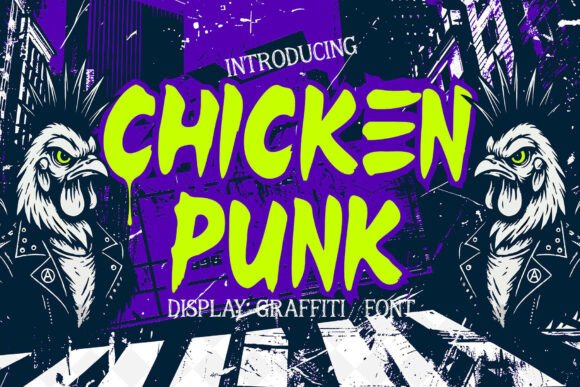
Chicken Punk is more than a font—it’s a visual statement. Designed as a high-impact graffiti display typeface, it merges the raw energy of punk culture with the unfiltered chaos of street art. Its bold, sprawling letterforms and intentionally irregular outlines make it a standout choice for designers seeking to inject attitude into their work. Whether used for album covers, concert posters, or streetwear branding, Chicken Punk thrives in contexts where visual impact and emotional resonance are paramount.
For professionals working in creative industries—designers, marketers, brand strategists, and content creators—Chicken Punk serves as both a design asset and a strategic tool. It’s especially valuable when the goal is to communicate rebellion, authenticity, or grassroots energy. Understanding how to integrate this bold typeface into your workflow can elevate your visual messaging and ensure your content cuts through the noise.
Integrating Chicken Punk Into Your Creative Process
When planning a project that leans into alternative aesthetics—whether for a music label, a lifestyle brand, or a guerrilla marketing campaign—consider introducing Chicken Punk early in the concept phase. This allows the font to influence other design decisions, from color palettes to layout structure.
- Pre-Production: Use Chicken Punk in mood boards or concept mockups to test visual tone before committing to final assets.
- Design Execution: Apply it as a display font for headlines or key branding elements. Given its weight and texture, it works best in large formats where detail and impact are preserved.
- Post-Production: Evaluate its legibility across different platforms and adjust spacing or contrast as needed to maintain clarity.
Use Cases Where Chicken Punk Excels
Chicken Punk shines in environments where authenticity and visual punch are essential. Here are several practical applications where it integrates seamlessly into real-world workflows:
- Event Promotion: Whether it’s a punk rock show or a skate park gathering, Chicken Punk’s chaotic energy mirrors the spirit of underground events.
- Brand Identity: Streetwear brands, indie labels, and counterculture startups use Chicken Punk to build a bold, recognizable visual identity.
- Digital Media: When used sparingly in social media graphics or video thumbnails, it can help content stand out in fast-scrolling feeds.
- Print Materials: Flyers, posters, and zines benefit from its DIY aesthetic, especially when the goal is to evoke a handcrafted, grassroots feel.
Compatibility and Workflow Considerations
Before diving into implementation, ensure Chicken Punk aligns with your overall design system. Because of its strong character, it’s best used as a display font rather than for body text. Pairing it with simpler, more legible typefaces can create a balanced visual hierarchy.
When integrating Chicken Punk into digital workflows, consider the following:
- File Formats: Confirm that the font is available in compatible formats (OTF, TTF) for your design software.
- License Type: Check usage rights, especially for commercial projects or web deployment.
- Platform Consistency: Test how the font renders across devices and browsers if used in web-based content.
Designing with Chicken Punk: Practical Tips
To get the most out of Chicken Punk without overwhelming your design, follow these practical implementation strategies:
- Limit Usage: Reserve Chicken Punk for headlines, logos, or call-to-action text. Avoid using it for long-form content due to its density and texture.
- Add Contrast: Pair it with minimalist design elements to let the font stand out. White space and flat colors help balance its visual intensity.
- Adjust Kerning: The sprawling nature of the letters may require manual spacing adjustments to maintain readability.
- Use with Texture: Combine with distressed backgrounds or grunge overlays to enhance the raw aesthetic and create cohesion.
Workflow Efficiency and Long-Term Use
As with any design asset, consistency and organization are key. When working with Chicken Punk across multiple projects or teams, consider creating reusable templates or style guides that define how and when the font should be used. This helps maintain brand integrity while streamlining the creative process.
Additionally, keep a versioned archive of design files that use Chicken Punk, especially if licensing or format compatibility may change over time. This ensures that future edits or reprints can be handled smoothly without the risk of missing assets.
Pairing Chicken Punk with Other Tools and Platforms
Chicken Punk works well within a variety of design ecosystems. Whether you're using Adobe Creative Suite, Figma, Canva, or even coding custom web layouts, the font can be incorporated effectively with a few adjustments.
- Adobe Photoshop & Illustrator: Ideal for print and high-res digital work. Use layer styles to enhance texture or add effects like shadowing or glow for extra impact.
- Figma: Great for collaborative design projects. Ensure the font is accessible to all team members via shared libraries.
- Web Development: If embedding Chicken Punk on a website, use
@font-facerules and test load times. Consider fallback fonts for performance optimization.
Quality Control and Testing
Before finalizing any project using Chicken Punk, conduct a thorough review of legibility and visual balance. Test the font at different sizes and on various backgrounds to ensure it remains effective across contexts. For print, request physical proofs to confirm texture and color accuracy. For digital use, check on both light and dark mode displays to maintain readability.
Final Thoughts: Making Chicken Punk Part of Your Design Toolkit
Chicken Punk isn’t just a typeface—it’s a mindset. It challenges conventional design norms and invites creators to embrace imperfection, rawness, and expressive energy. By understanding how to integrate it thoughtfully into your workflow, you can harness its power without sacrificing clarity or professionalism.
Whether you're designing a festival poster, rebranding a niche product, or crafting a digital campaign that needs a gritty edge, Chicken Punk offers a way to stand out. The key is to use it intentionally, pair it wisely, and treat it as part of a broader design strategy rather than a standalone effect.