Choosing the Right Playful Typeface: Exploring Rainbow Flower and Its Unique Appeal
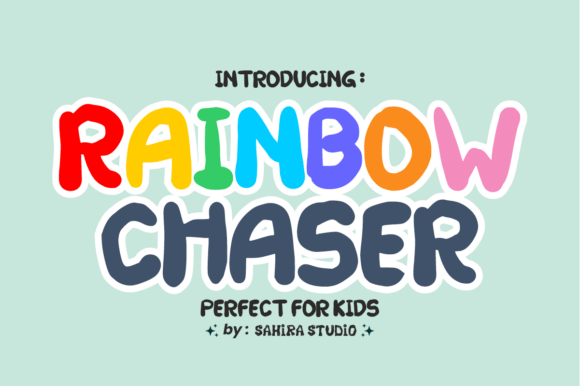
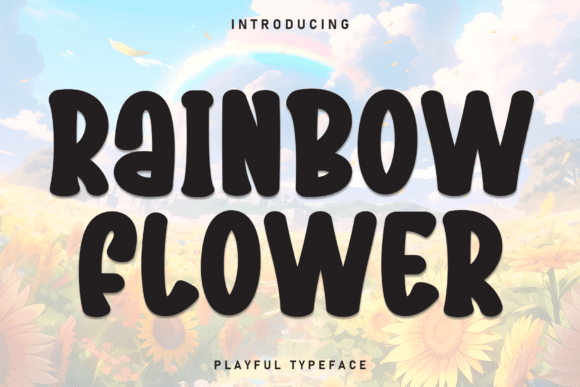
When it comes to expressive typography, Rainbow Flower stands out as a distinctive option for designers seeking a whimsical, approachable aesthetic. This typeface combines bold, rounded forms with soft curves to create a visual style that feels both energetic and warm. Unlike more rigid or minimalist fonts, Rainbow Flower leans into a sense of childlike wonder without sacrificing readability or versatility.
What Sets Rainbow Flower Apart
At first glance, Rainbow Flower exudes a handcrafted charm that feels inviting and spontaneous. Its thick, rounded characters contribute to a strong visual presence, making it ideal for designs that need to feel both bold and friendly. This combination of softness and strength is what makes it particularly effective in contexts like children's literature, greeting cards, and playful branding.
One of the font’s defining characteristics is its balance between legibility and personality. While many decorative fonts can become difficult to read in longer passages, Rainbow Flower maintains clarity even at smaller sizes. This makes it more adaptable than some of its more stylized counterparts, especially when used in mixed-age environments such as school projects or educational materials.
Comparing Rainbow Flower with Similar Playful Fonts
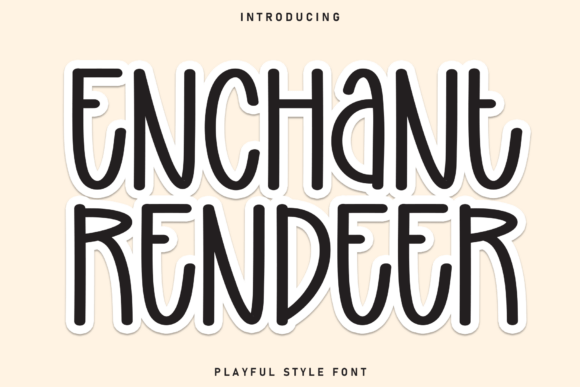
Among playful typefaces, there are several categories to consider: cartoon-style fonts, brush-lettered scripts, and rounded sans-serif variations. Rainbow Flower sits somewhere in the middle—neither overly stylized nor too generic. It shares some visual traits with rounded sans-serif fonts, which are known for their friendliness, but adds a touch of whimsy through its distinctive curves and weight distribution.
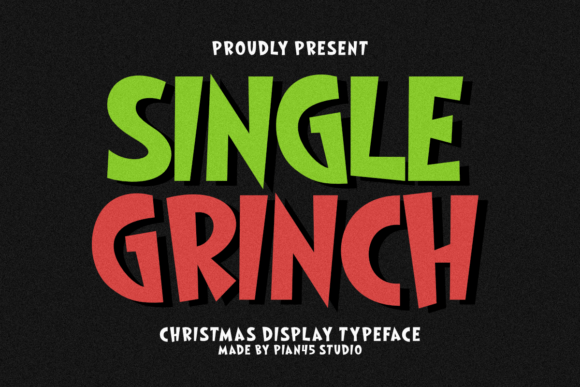
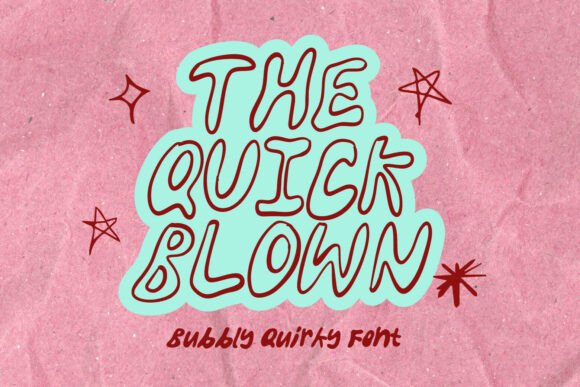
When compared to script-based playful fonts, Rainbow Flower offers better readability and structure, making it more suitable for titles, headers, and short bursts of text rather than long-form content. On the other hand, when stacked against more cartoonish or exaggerated fonts, Rainbow Flower maintains a more refined appearance, avoiding the risk of looking too juvenile or unprofessional in certain contexts.
Strengths and Limitations of Rainbow Flower
One of Rainbow Flower’s strongest attributes is its emotional resonance. It naturally evokes feelings of joy, creativity, and positivity, which makes it a great fit for projects aimed at younger audiences or those with a lighthearted tone. Its boldness ensures visibility even in small print or digital thumbnails, which is particularly useful for branding and marketing materials targeting children or families.
However, like any specialized typeface, Rainbow Flower has its limitations. It is not well-suited for formal or technical applications, nor does it blend well with more serious design themes. Its distinct personality can overpower minimalist layouts, and in some cases, may not be the best choice for cross-demographic appeal. Designers should also consider that its thick character shapes may reduce legibility in very tight spacing or low-resolution displays.
When Rainbow Flower Is the Right Choice
If your project calls for a sense of warmth, playfulness, and approachability, Rainbow Flower can be an excellent match. It works especially well in the following scenarios:
- Children’s book illustrations and titles – Its rounded, friendly form complements youthful themes and helps engage young readers.
- Birthday invitations and party designs – The font’s cheerful appearance enhances festive visuals without appearing cluttered.
- Branding for kid-friendly businesses – Whether it’s a toy store, daycare, or bakery, Rainbow Flower adds a sense of whimsy and accessibility.
- Classroom and school project materials – Teachers and educators can use it to create visually engaging worksheets and posters.
In each of these cases, Rainbow Flower contributes to a design that feels intentional, expressive, and emotionally resonant without veering into overly complex or distracting territory.
When to Consider Alternatives
Despite its charm, Rainbow Flower may not be the ideal choice for every design. If your project requires a more neutral or versatile typographic voice, you may want to explore alternatives that offer a broader range of application. For example:
- For digital interfaces or mobile apps, a more streamlined and legible rounded sans-serif might be more appropriate.
- If you're designing for a mixed-age audience or need a font that can handle longer blocks of text, a softer but more structured playful font could be a better fit.
- In cases where a hand-lettered or organic feel is preferred, brush-script or handwriting-style fonts may offer a closer match.
Ultimately, the decision should be based on how well the font aligns with the tone, purpose, and technical requirements of the overall design.
Practical Design Tips for Using Rainbow Flower
To get the most out of Rainbow Flower without overwhelming your layout, consider the following best practices:
- Pair it with simpler fonts – Use a clean sans-serif or a neutral serif for body text to maintain contrast and readability.
- Limit its use to headers and accents – Avoid using it for large blocks of text to preserve its visual impact and ensure legibility.
- Test across different mediums – Check how the font appears in print, on screens, and at various sizes to ensure consistency.
- Balance with supporting graphics – Since the font already carries a strong personality, keep surrounding design elements simple to avoid visual clutter.
By integrating Rainbow Flower thoughtfully, you can enhance your design without compromising clarity or professionalism.
Making an Informed Typeface Decision
Choosing the right font involves more than just aesthetics—it’s about matching the tone, function, and audience of your design. Rainbow Flower is a compelling option for those who want to inject a sense of joy and creativity into their work, especially in projects aimed at younger audiences or those with a lighthearted theme. However, it’s important to evaluate its strengths and limitations in the context of your specific design goals.
When comparing Rainbow Flower to other playful typefaces, focus on how well it aligns with your message, readability needs, and overall visual strategy. It may not be the most flexible font available, but within the right context, it can be the perfect finishing touch that brings your design to life.