Snowberry: A Playful Handwritten Font for Joyful Designs
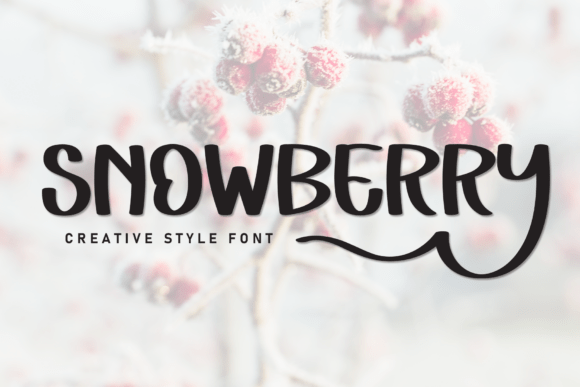
Typography shapes the way we experience visual communication. Snowberry, a delightfully playful handwritten display font, brings warmth and charm to any design it touches. With its soft curves, uneven baselines, and expressive strokes, Snowberry feels like a personal note from a close friend—familiar, comforting, and full of personality.
Unlike rigid, overly polished fonts, Snowberry embraces a sense of organic imperfection. Its letters appear as if they were written in real time, with subtle variations in spacing and stroke weight that mimic natural handwriting. This human quality makes it especially effective in projects that require emotional connection, such as wedding invitations, greeting cards, and branding for lifestyle or wellness businesses.
Where Snowberry Shines Brightest
Snowberry excels in design contexts where warmth and approachability are key. It's particularly well-suited for:
- Wedding and event invitations – Its soft, romantic feel complements floral motifs, watercolor backgrounds, and elegant paper stocks.
- Greeting cards and stationery – Whether for birthdays, thank-you notes, or seasonal greetings, Snowberry adds a personal, heartfelt touch.
- Brand identities for small businesses – Especially those in the wellness, lifestyle, food, and creative sectors where authenticity matters.
- Packaging design – From artisanal food labels to boutique skincare products, Snowberry brings a sense of craftsmanship and care.
- Social media graphics and digital illustrations – Its playful nature works well in modern typography layouts for Instagram stories, Pinterest pins, and blog headers.
Because of its strong personality, Snowberry is best used as a display font rather than for body text. It stands out beautifully in headlines, logos, and callouts where visual impact is more important than long-form readability.
How Snowberry Influences Design and Perception
Fonts do more than just convey words—they shape how those words are received. Snowberry’s whimsical style influences several key design elements:
- Readability and visual hierarchy – While not ideal for long paragraphs, Snowberry enhances visual hierarchy when used for titles and accents. Its unique letterforms draw the eye and help organize content intuitively.
- Brand perception – Brands using Snowberry often come across as friendly, creative, and trustworthy. It supports a brand identity that values personal connection and emotional resonance.
- Audience engagement – In digital or print marketing materials, Snowberry can increase engagement by making content feel more relatable and human.
- Professionalism and consistency – When used thoughtfully within a broader design system, Snowberry adds character without sacrificing polish. It pairs well with clean sans-serif fonts, creating a balanced, modern look.
Designers who understand the emotional undertones of type can use Snowberry to reinforce a message before a single word is read. Its style communicates playfulness, sincerity, and a touch of nostalgia—qualities that resonate deeply with audiences across age groups.
Choosing Snowberry: Practical Design Tips
Selecting the right font isn't just about aesthetics—it's about function, context, and audience. Here are some practical tips for using Snowberry effectively:
- Test readability at different sizes – Snowberry works best at medium to large sizes. Avoid using it for small print or long paragraphs where clarity is essential.
- Check for included styles and language support – Make sure the version you're using includes uppercase, lowercase, numerals, and punctuation. Some premium font packages also offer alternate characters or ligatures that add visual interest.
- Pair it wisely – Snowberry pairs beautifully with clean, modern sans-serif fonts like Montserrat or Open Sans. For a more rustic or vintage look, try combining it with a serif font like Playfair Display or Cinzel.
- Review licensing for commercial use – If you're using Snowberry for client work or commercial products, ensure you have the proper license. Many premium fonts require a commercial license for use in packaging, advertising, or merchandise.
When evaluating Snowberry for a project, start with a simple mockup. Try setting a headline or logo in Snowberry alongside supporting text in a more neutral font. This gives you a quick sense of how it contributes to the overall tone and balance of the design.
Real-World Examples and Design Observations
Designers have used Snowberry in a variety of creative applications. Here are a few notable examples:
- A boutique bakery used Snowberry in its logo and cupcake wrappers, giving the brand a warm, homemade feel that appeals to local customers.
- An editorial design team incorporated Snowberry into a lifestyle magazine's cover headlines, creating a contrast with the more structured body text and enhancing visual interest.
- A children’s book illustrator chose Snowberry for chapter titles and character names, reinforcing the story's playful, imaginative tone.
These examples show how Snowberry can adapt to different design needs while maintaining its core personality. The key is to use it purposefully—never just because it's trendy, but because it aligns with the message and audience.
Final Thoughts on Using Snowberry
In a world where digital design often feels impersonal, Snowberry offers a refreshing return to the handmade and heartfelt. Whether you're designing a wedding invitation, a product label, or a social media post, Snowberry brings a sense of joy and sincerity that’s hard to replicate with more formal typefaces.
As with any creative font, the secret to success lies in balance. Use Snowberry where warmth and personality matter most, and pair it with simpler fonts to maintain clarity and structure. When chosen with intention and applied with care, Snowberry becomes more than just a font—it becomes a storytelling tool that connects with your audience on a deeper level.