Toxic Crop: The Black Metal Font That Commands Attention
For designers, artists, and creators working in high-impact visual spaces, finding the right typeface can be the difference between blending in and standing out. Toxic Crop is not just another font—it’s a bold, hand-drawn display typeface built for intensity. Designed with a raw, chaotic edge, it speaks directly to the aesthetic of underground Black Metal, horror, and extreme visual culture. Whether you're crafting a band logo, designing merchandise, or producing album art, Toxic Crop delivers a visual punch that few other fonts can match.
Understanding the Design Language of Toxic Crop
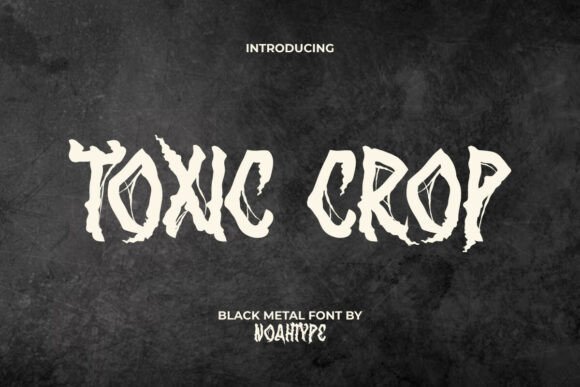
Toxic Crop was created with a clear purpose: to evoke the gritty, unfiltered energy of subcultures that thrive on rebellion and authenticity. Its jagged edges, eroded textures, and sharp, distorted letterforms mimic the look of ink scratched onto parchment or paint smeared across a wall. This isn't a font for clean corporate brochures or minimalist branding—it's for projects that demand a visceral reaction.
The typeface draws from the traditions of Gothic and Blackletter fonts but infuses them with a modern decay. It’s the kind of design that feels alive, like it could shift and crack under pressure. This makes it especially effective for genres where atmosphere and intensity are as important as the message itself.
Who Benefits Most from Toxic Crop?
Designers working in niche but passionate markets will find Toxic Crop particularly valuable. Musicians in extreme genres like Black Metal or Death Metal can use it to craft logos and promotional materials that reflect the tone of their music. Horror filmmakers and game developers can integrate the font into title sequences or UI elements to amplify the mood. Even fashion designers and event promoters targeting alternative scenes can leverage its visual weight to create compelling branding.
For small business owners and independent creators, this font offers a shortcut to a high-impact aesthetic without needing to commission custom lettering. It’s a ready-made solution that feels handmade and unique, giving your work an edge that’s hard to replicate with more conventional typefaces.
Practical Uses for Toxic Crop
- Band Logos: Toxic Crop’s aggressive texture makes it ideal for crafting logos that scream intensity and authenticity.
- Album Art: From CD covers to digital thumbnails, this font ensures your visuals grab attention in a crowded market.
- Movies and Games: Use it in horror film titles or game UI to evoke dread and urgency without overdesigning.
- Merchandise: T-shirts, posters, and patches gain a gritty, underground feel that resonates with niche audiences.
- Event Branding: Festivals, underground shows, and alternative fashion events can use Toxic Crop to signal authenticity and raw energy.
Why Toxic Crop Works Where Others Fall Short
Many fonts aim to look edgy, but few commit to the level of texture and distortion that Toxic Crop does. Unlike generic grunge or horror fonts, it doesn’t rely on simple distress effects. Instead, it builds its character through deliberate, uneven strokes and a sense of motion in the letterforms. This gives it a sense of realism and handcrafted origin that digital fonts often lack.
Another key advantage is versatility within its niche. While it’s rooted in Black Metal and horror, it’s adaptable enough for use in a range of alternative contexts. Whether you're designing a café mural with a dark theme or a gaming app with a grim aesthetic, Toxic Crop can be the anchor of your visual identity.
How to Use Toxic Crop Effectively
- Limit its use to headlines: Due to its aggressive design, it works best in short bursts rather than extended body text.
- Pair with clean supporting fonts: Balance its chaos with sans-serif or minimalist typefaces to maintain readability.
- Enhance with textures: Combine Toxic Crop with parchment, concrete, or rusted metal backgrounds for maximum impact.
- Test at different sizes: Its intricate details can get lost at small scales, so ensure it’s legible in your final output.
- Consider the audience: Not every project needs this level of intensity—use it where the aesthetic aligns with your message.
When to Consider Alternatives
Despite its strengths, Toxic Crop isn’t a one-size-fits-all solution. If your project leans toward elegance, professionalism, or minimalism, this font may overwhelm the design rather than enhance it. In such cases, a more restrained Gothic or serif font might better suit your needs.
Also, be mindful of readability. While the font’s rawness is part of its appeal, it can become a drawback in contexts where clarity is critical. Always test it in your intended application before committing to it for large-scale use.
Getting the Most Out of Toxic Crop
For maximum impact, treat Toxic Crop as a design element rather than just a typeface. Layer it with textures, blend it with color gradients, or animate it with subtle distortions to bring out its full character. It works particularly well when paired with dark color palettes—deep reds, blacks, and metallic grays can amplify its intensity.
If you're using it for digital projects, consider how it renders on different screens. High-resolution displays will show off its details beautifully, but mobile users might not see the same level of intricacy. Always optimize for legibility across platforms.
A Font That Speaks Volumes
Toxic Crop is more than a tool—it's a statement. For creators who want their typography to carry the same weight as their visuals, this font offers a powerful way to communicate tone and attitude without a single word. It’s a shortcut to authenticity in a world where generic design often feels disconnected from the raw energy of underground culture.
If your work lives on the edge of mainstream and extreme, Toxic Crop might be the missing piece that pulls your design together. It won’t just deliver your message—it will scream it from the rooftops, unapologetically and unmistakably.