Astor: The Futuristic Typeface Redefining Visual Communication
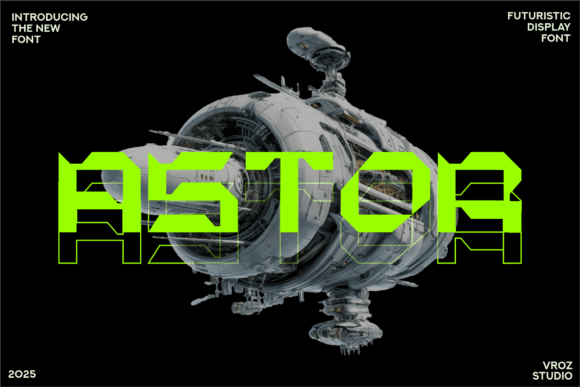
In a world increasingly shaped by digital interfaces and visual storytelling, typography has become more than just a design element—it's a strategic tool. Astor, a bold and uncompromising futuristic display font, stands at the intersection of design precision and technological expression. With its extreme geometric construction and architectural deconstruction, Astor offers a distinct visual language that resonates with industries ranging from gaming to industrial design.
The Anatomy of Astor: A Design Built for Impact
Astor’s defining characteristics lie in its sharp, deliberate angular cuts and a system of integrated horizontal lines that slice through the letterforms. This technical, schematic aesthetic gives the font a commanding presence, especially on digital screens and large-format visuals. The blocky, grid-aligned forms are not just stylistic choices—they are functional design decisions that enhance readability and visual weight in high-contrast environments.
Unlike more traditional sans-serif fonts designed for readability in long-form content, Astor is engineered for short, impactful communication. It thrives in headlines, interface elements, and branding materials where a strong typographic presence is essential. The font’s architectural sensibility makes it ideal for projects that require a sense of structural integrity and high-tech grit.
Why Astor Fits the Modern Creative Landscape
The rise of cyberpunk aesthetics, immersive gaming experiences, and futuristic branding has created a growing demand for typefaces that reflect advanced technology and military-grade precision. Astor meets this need by offering a design that feels both futuristic and grounded in real-world applications. It aligns with current trends in UI/UX design, where clarity, contrast, and visual hierarchy are key to user engagement.
As more creative professionals turn to high-contrast, geometric fonts to convey innovation and strength, Astor has found a natural home in sci-fi branding, video game HUDs, and dark electronic music promotion. Its ability to communicate both complexity and control makes it a go-to option for designers aiming to evoke a sense of controlled chaos or high-stakes digital environments.
Practical Applications Across Industries
For video game developers, Astor offers a typographic solution that enhances immersion without sacrificing legibility. Whether used in mission-critical UI elements or promotional materials, the font supports a cohesive visual identity that aligns with the game’s world-building goals. Similarly, in motion graphics and animation, Astor’s structured yet dynamic appearance allows for seamless integration into futuristic visual narratives.
- Branding and Marketing: Astor works well for tech startups, sci-fi film promotions, and avant-garde music labels looking to project a sense of innovation and precision.
- Industrial and Product Design: The font’s architectural qualities make it ideal for technical documentation, schematics, and product manuals where clarity and authority are essential.
- UI/UX Design: In digital interfaces, Astor’s bold presence ensures that key actions and information stand out, especially in dashboard designs and control panels.
Design Evolution and Increasing Adoption
Over the past decade, there has been a noticeable shift in typography preferences—from clean, minimalist sans-serifs to more expressive, structured typefaces. This evolution mirrors broader changes in user expectations and design trends. As audiences become more visually literate and design tools more accessible, the demand for unique, high-impact fonts like Astor has grown significantly.
Designers are no longer confined to a limited set of web-safe fonts. With the rise of variable fonts and improved web rendering, typographic experimentation has become not only possible but expected. Astor’s popularity reflects this shift, as creators seek to differentiate their work with typefaces that carry both aesthetic and conceptual weight.
Choosing Astor: When and How to Use It Effectively
While Astor is a powerful design asset, it’s best used with intention. Due to its strong visual character, it should be reserved for contexts where impact is more important than subtlety. Here are a few practical tips for integrating Astor into your design workflow:
- Pair with Neutral Fonts: To maintain readability and balance, use Astor for headlines or accents and pair it with a simpler sans-serif for body text.
- Consider Contrast and Background: Astor performs best on high-contrast backgrounds, especially in dark UI themes or neon-lit visual environments.
- Use in Branding Systems: Incorporate the font into logos, promotional banners, or app icons to establish a strong brand identity that aligns with a tech-forward aesthetic.
Looking Ahead: Typography in the Age of Immersive Design
As we move further into an era dominated by AR, VR, and high-resolution digital displays, typography must evolve to meet new visual demands. Astor represents a forward-thinking approach to type design—one that embraces structure, clarity, and a sense of controlled futurism. It’s not just a font for the present; it’s a design tool that anticipates where visual communication is headed.
For creators, marketers, and developers, the choice of typeface is no longer a minor detail. It’s a strategic decision that influences user perception, engagement, and brand consistency. Astor offers a compelling solution for those who want to communicate strength, precision, and modernity in a world increasingly defined by digital interaction and visual storytelling.