Orlissea: A Bold, Approachable Typeface for Modern Visual Communication
Understanding Orlissea: Design and Distinctiveness
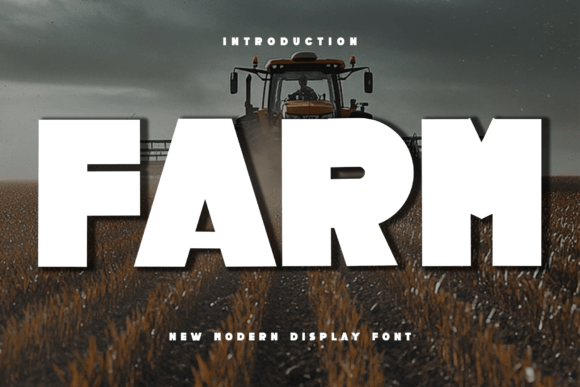
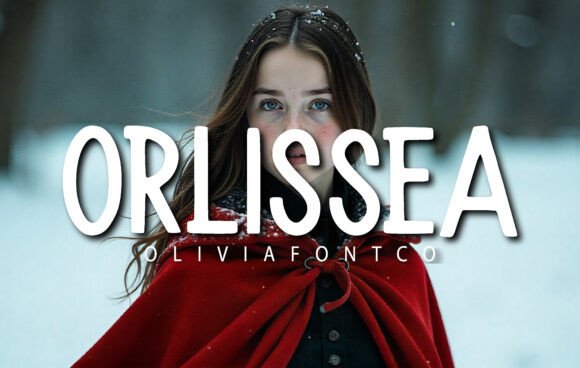
Orlissea is a powerful display font built on a clean, bold, and highly legible sans-serif structure. Its design merges strength with approachability, making it a standout choice for visual projects that demand clarity and presence. As a heavy, humanist sans-serif, Orlissea features slightly rounded terminals and generous letter spacing that enhance its readability—especially at large sizes. These characteristics make it more than just a typeface; it’s a visual tool that commands attention without alienating the viewer.
Unlike purely geometric or rigid block fonts, Orlissea introduces subtle curvature that softens its overall appearance. This balance between boldness and warmth allows it to perform exceptionally well in applications where both authority and accessibility matter. Whether used in branding, signage, or media design, Orlissea bridges the gap between visual impact and emotional resonance.
Why Orlissea Fits Today’s Design Landscape
In an era where visual communication is more critical than ever, typography plays a pivotal role in shaping perception and engagement. Designers and marketers are increasingly seeking typefaces that offer both functionality and emotional depth. Orlissea meets this demand by combining high legibility with a distinctive presence that resonates across multiple platforms.
Modern consumers and audiences are more visually literate than ever before. They expect clarity, professionalism, and personality from the brands and media they interact with. Orlissea’s bold structure ensures visibility, while its humanist qualities add a layer of approachability that aligns with current design trends emphasizing authenticity and emotional connection.
Applications That Benefit from Orlissea
Given its visual strength and readability, Orlissea is particularly effective in environments where attention spans are short and clarity is essential. It excels in several high-visibility use cases:
- Sports team logos: The font’s boldness and clean structure make it ideal for representing athletic identities that need to be instantly recognizable, both on merchandise and in stadiums.
- Outdoor signage: With its generous spacing and legibility at a distance, Orlissea ensures that directional or promotional signs remain effective even in fast-moving environments.
- Movie posters: In a competitive entertainment market, Orlissea’s commanding presence helps titles stand out on digital and print platforms alike.
- Apparel branding: Its modern aesthetic and strong visual identity make it a popular choice for fashion labels and lifestyle brands looking to make a statement.
These applications highlight how Orlissea supports both functional and expressive design goals. Its versatility ensures it can be used across both physical and digital mediums without compromising impact or readability.
The Evolution of Display Typography and Orlissea’s Role
Typography has evolved significantly over the past few decades. Once limited by technical constraints and print standards, type design now benefits from digital flexibility and a broader understanding of visual psychology. Display fonts, in particular, have moved beyond purely decorative roles to become integral parts of brand identity and user experience strategies.
Orlissea represents a thoughtful evolution in this space. It moves away from the cold, clinical feel of some geometric sans-serif fonts and instead embraces a more nuanced, humanist approach. This shift reflects a growing preference for typography that feels intentional, expressive, and emotionally resonant—without sacrificing clarity or impact.
Designers today are more conscious of how typography affects perception. They seek fonts that not only look good but also communicate specific values—trust, energy, clarity, or innovation. Orlissea’s combination of bold presence and soft curves makes it a versatile communicator, capable of adapting to a wide range of brand personalities and design contexts.
Practical Considerations for Using Orlissea
For professionals working in branding, advertising, or UI/UX design, Orlissea offers a compelling solution for high-impact visual communication. Here are a few practical tips for integrating Orlissea into your design workflow:
- Pair with complementary fonts: To maintain visual hierarchy and readability, consider pairing Orlissea with a lighter sans-serif or serif font for supporting text. This helps balance its bold presence while keeping the overall design cohesive.
- Use strategically: Given its strong visual impact, Orlissea works best in headlines, titles, and call-to-action elements. Avoid overusing it in body text or complex layouts where subtlety is needed.
- Test across mediums: Whether used on a billboard, website, or printed material, always test Orlissea in different contexts to ensure optimal legibility and performance.
By applying these principles, designers can maximize Orlissea’s strengths while maintaining a balanced and effective visual composition.
Orlissea and the Future of Visual Communication
As visual communication continues to evolve, so too will the tools we use to craft it. Orlissea is part of a growing movement in typography that values clarity, emotional connection, and adaptability. It reflects a shift toward typefaces that do more than convey information—they shape perception, reinforce brand identity, and enhance user experience.
Looking ahead, we can expect to see more demand for fonts like Orlissea that offer both visual strength and emotional nuance. As digital platforms expand and user expectations rise, typography will play an even greater role in differentiating brands and creating meaningful visual experiences.
For creators, entrepreneurs, and businesses, investing in the right typography is no longer a minor design detail—it’s a strategic decision. Orlissea offers a compelling option for those who want to communicate with confidence, clarity, and a touch of warmth in a visually saturated world.