Crack Stone: A Bold Display Font for High-Impact Design
Understanding Crack Stone: What It Is and What It Offers
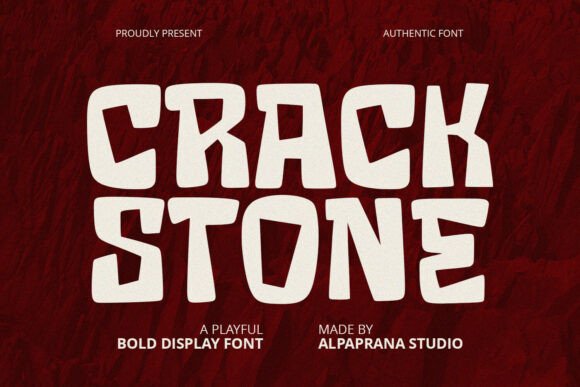
Crack Stone is a heavy, all-caps display font designed to command attention. Its bold, thick letterforms are rounded yet rugged, combining a playful aesthetic with a textured, handcrafted appearance. The font’s edges feature a deliberate irregularity that mimics the look of chiseled or cracked material, giving it a distinctive visual character. This blend of smooth curves and distressed surfaces makes Crack Stone ideal for projects that require a strong, memorable presence.
While many display fonts focus solely on visual flair, Crack Stone balances style with substance. It doesn’t just look bold—it feels bold. The typeface is intentionally crafted to evoke a sense of raw, vintage energy, making it especially effective in design contexts where authenticity and impact are key.
Why Designers Consider Crack Stone
Designers often seek out Crack Stone when they need a typeface that stands out without relying on overused trends. Its unique combination of rounded forms and rugged texture makes it versatile for both modern and retro applications. Whether used in branding, packaging, or promotional materials, Crack Stone offers a visual weight that draws the eye and conveys strength.
One of the primary reasons for its appeal is its ability to communicate a sense of history and craftsmanship. The font’s texture and irregularity suggest a hand-carved or aged appearance, which can add depth and narrative to a design. This makes it especially attractive for creatives working on projects with a vintage, psychedelic, or earthy aesthetic.
Key Benefits of Using Crack Stone
- High Visual Impact – Its heavy weight and thick letterforms ensure strong visibility, even at large sizes.
- Distinctive Personality – The mix of rounded shapes and rugged edges gives it a unique identity that sets it apart from more conventional display fonts.
- Versatile Aesthetic – Works well in both contemporary and retro-themed designs, especially those with a 1970s influence.
- Effective for Branding – Ideal for creating memorable logotypes and headers that reinforce brand strength and character.
Considerations and Tradeoffs
Despite its strengths, Crack Stone is not a one-size-fits-all solution. Due to its heavy, textured appearance, it may not be suitable for smaller text applications or body copy. The font’s visual intensity can become overwhelming when used excessively or in contexts where readability and subtlety are more important.
Additionally, because it is an all-caps typeface, Crack Stone lacks lowercase letters, which can limit its flexibility in certain typographic layouts. Designers should carefully consider how it pairs with secondary fonts to maintain visual hierarchy and balance in multi-layered compositions.
When Crack Stone Is the Right Choice
Crack Stone excels in applications where boldness and visual storytelling are central. It is particularly well-suited for:
- Music Posters – Especially for genres with a retro or psychedelic influence.
- Apparel Branding – Adds an edgy, vintage feel to t-shirts, patches, and accessories.
- Film and Game Titles – Perfect for projects aiming for a gritty, 70s-inspired aesthetic.
- Retro Packaging – Enhances product labels and packaging that aim to evoke a sense of history or craftsmanship.
- Logotypes – Offers a strong, memorable identity for brands that want to project boldness and authenticity.
When to Consider Alternatives
While Crack Stone is powerful in the right context, there are situations where a different font might be more appropriate:
- Long-form Text – Due to its heaviness and lack of lowercase letters, it’s not ideal for extended reading.
- Minimalist Designs – Its textured, rugged appearance may clash with clean, modern aesthetics.
- High Readability Needs – In cases where clarity and legibility at small sizes are crucial, a simpler sans-serif or serif font would be more effective.
- Multi-style Typography – If a design requires a mix of weights or styles (e.g., bold, light, italic), a more versatile font family may be a better fit.
Practical Insights for Decision-Making
When evaluating Crack Stone, it’s important to align its characteristics with your specific design goals. Ask yourself:
- Is visual impact a top priority? If so, Crack Stone could be an excellent choice, especially for headlines and logos.
- Does the font support the tone of the message? Its rugged, textured look may not suit every brand or message—consider whether it aligns with your intended aesthetic and emotional tone.
- How will it be used in context? Think about where and how the font will appear. Will it be viewed up close or from a distance? Will it be paired with other fonts?
- Is there a need for flexibility? If your project requires a font that can adapt across different formats and sizes, you may want to explore alternatives that offer more typographic variety.
Final Thoughts: Does Crack Stone Fit Your Needs?
Crack Stone is a compelling option for designers seeking a bold, expressive typeface that delivers both presence and personality. Its thick, rounded forms and rugged texture make it a standout choice for high-impact applications, especially those rooted in retro or vintage themes. However, its visual intensity and stylistic specificity mean it’s best used selectively and with intention.
If your project demands a strong visual identity, evokes a sense of history or craftsmanship, and benefits from a commanding presence, Crack Stone is worth serious consideration. On the other hand, if your design requires subtlety, readability, or versatility across different typographic contexts, exploring alternative fonts may be the better path forward.