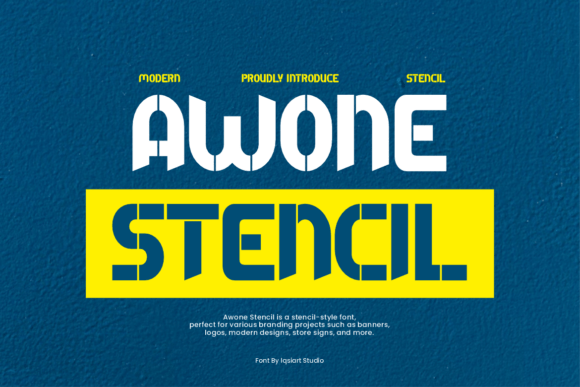
Awone Stencil: A Strategic Typography Choice for Creative and Professional Impact
Typography shapes perception. In a world where visual clarity and brand consistency matter, selecting the right font is more than an aesthetic decision—it's a strategic move. Awone Stencil stands out as a display font that combines boldness with legibility, making it a compelling choice for designers, marketers, educators, and entrepreneurs aiming to communicate with clarity and confidence.
Understanding Awone Stencil: Design and Utility
Awone Stencil is a modern display font inspired by traditional stencil lettering. Its clean lines, defined edges, and structured spacing make it ideal for headings, banners, and visual accents where readability and visual impact are essential. Unlike ornamental fonts that sacrifice clarity for flair, Awone Stencil balances both, allowing it to perform well in both digital and print environments.
From a design standpoint, its stencil construction lends a rugged, industrial aesthetic that can evoke themes of craftsmanship, durability, or urban culture. This makes it particularly effective for branding materials, packaging, and promotional content where a strong visual tone is desired.
Strategic Use of Awone Stencil in Branding and Communication
In branding, typography is more than just a design element—it's a voice. Choosing Awone Stencil can signal strength, clarity, and a no-nonsense approach. For brands in sectors like construction, outdoor gear, automotive, or streetwear, this font can reinforce identity through visual consistency.
- Use it in logo variations where boldness is needed but legibility can't be compromised.
- Apply it in social media graphics to maintain a strong visual hierarchy.
- Integrate it into product packaging for a distinctive, memorable look.
For marketers and content creators, Awone Stencil offers a way to cut through the noise. Its strong visual presence can help key messages stand out in presentations, infographics, and advertising materials—especially when paired with minimalist layouts that let the type do the talking.
Awone Stencil in Educational and Professional Contexts
Educators and trainers can benefit from Awone Stencil when designing visual aids. Its clear letterforms enhance readability, especially in slide decks and posters used in large rooms or viewed on mobile devices. When students or audiences need to absorb information quickly, legibility is key—and Awone Stencil delivers without sacrificing visual appeal.
Professionals working in fields like architecture, engineering, and logistics may also find value in the font's structured appearance. It aligns well with technical documentation, signage, and project boards where clarity and precision are non-negotiable.
When and How to Use Awone Stencil Effectively
Like any design tool, Awone Stencil works best when used with intention. It's not a font for long paragraphs or body text—its strength lies in headings, titles, and short bursts of emphasis. Consider these practical applications:
- Event branding: Use in posters, invitations, and digital banners to create a strong first impression.
- Mobile app UI: Ideal for buttons, alerts, and call-to-action text where visibility is crucial.
- Product labels: Enhances readability on packaging, especially under varied lighting conditions.
Pair Awone Stencil with neutral sans-serif fonts like Helvetica or Open Sans for body copy to maintain balance. Avoid overuse—limit it to one or two key elements per design to preserve its impact.
Planning and Integration Tips
Before incorporating Awone Stencil into your creative or professional workflow, consider the following:
- Brand alignment: Does the font reflect your brand’s personality and values?
- Accessibility: Ensure sufficient contrast and sizing, especially for digital use.
- Technical compatibility: Check file formats and licensing to ensure smooth integration across platforms.
Testing the font in real-world contexts—such as on signage, digital ads, or printed materials—before full-scale deployment can prevent misalignment with audience expectations or technical limitations.
Strategic Risks of Misusing Awone Stencil
Typography that doesn't align with brand messaging or audience expectations can dilute impact or create confusion. Using Awone Stencil in contexts where softness or elegance is needed—such as luxury branding or wellness marketing—can create a jarring visual disconnect.
Additionally, overuse or improper application can lead to cluttered designs. If every headline or visual element uses the same bold font, nothing stands out. The key is to apply Awone Stencil where it adds strategic value, not just because it looks striking in isolation.
Long-Term Value Through Intentional Use
Fonts like Awone Stencil become more valuable when used as part of a cohesive design strategy. Over time, consistent application builds visual recognition, helping audiences associate the font with your brand, message, or product line.
Consider creating a design system or style guide that outlines when and how to use Awone Stencil. This ensures that team members, freelancers, or agencies apply it consistently across campaigns, documents, and digital assets.
Awone Stencil in the Context of Decision-Making and Creativity
Design choices should support strategic goals, not just satisfy immediate visual appeal. When selecting Awone Stencil, ask: does this font enhance clarity, reinforce brand identity, or improve user experience? If yes, it becomes a tool for better outcomes—not just a stylistic flourish.
Creativity thrives within constraints. Knowing when not to use Awone Stencil is just as important as knowing when to use it. By setting boundaries around its application, you create space for other design elements to shine, resulting in a more balanced and effective visual narrative.
Final Thoughts: Typography as a Strategic Asset
Awone Stencil is more than a font—it's a strategic asset for those who understand the power of visual communication. Whether you're building a brand, designing a presentation, or crafting an educational tool, thoughtful typography can elevate your message and support long-term success.
Use it with purpose. Test it in context. Align it with your goals. And above all, treat it as part of your broader creative and strategic toolkit—not just a design detail.