Amisha: A Strategic Choice for Cultural Typography in Modern Design
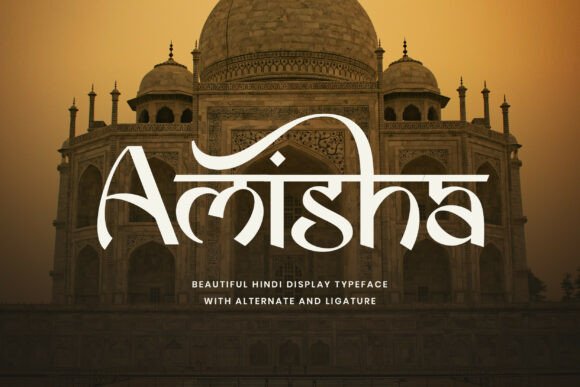
Typography is more than just selecting a font—it's a deliberate choice that influences perception, communication, and brand identity. Amisha, a Hindi display font designed with elegance and cultural resonance, offers creators a unique opportunity to bridge tradition with contemporary design. Whether you're crafting branding materials, editorial layouts, or event invitations, Amisha provides a visual language that speaks to heritage while remaining relevant in modern contexts.
Unlike generic typefaces, Amisha is intentionally designed with graceful curves, artistic ligatures, and stylistic alternates that reflect the richness of Indian calligraphy. Its PUA encoding ensures that every glyph, swash, and alternate character is easily accessible, allowing for deep customization without technical barriers. This makes Amisha not just a font, but a flexible tool for strategic visual communication.
Strategic Use of Amisha in Branding and Identity
Brand identity relies heavily on visual consistency and emotional connection. When used thoughtfully, Amisha can reinforce cultural authenticity and differentiate a brand in competitive markets. For instance, a small business rooted in Indian traditions—such as artisanal tea, handloom textiles, or wellness products—can use Amisha to evoke a sense of heritage and trust.
Consider a packaging design for a heritage tea brand. Using Amisha in the product label adds a layer of cultural elegance that aligns with the brand story. The font’s ligatures and stylistic alternates allow for subtle variations, ensuring that each label feels handcrafted rather than mass-produced. This attention to detail can elevate the perceived value of the product and enhance customer experience.
However, strategic use requires alignment with brand values. Amisha may not be suitable for brands aiming for a minimalist or globalized aesthetic. It thrives in contexts where cultural richness is an asset, not a constraint.
Planning for Effective Typography in Design Projects
Typography should be integrated early in the design process, not treated as an afterthought. When considering Amisha for a project, begin by evaluating the core message and target audience. Is the design intended to evoke nostalgia, tradition, or celebration? If so, Amisha becomes a natural fit.
- Define the purpose: Determine whether the project is cultural, promotional, or informational. Amisha excels in celebratory or culturally rooted contexts.
- Pair with complementary fonts: To maintain readability and visual hierarchy, pair Amisha with clean, modern sans-serif fonts for body text.
- Test for legibility: While Amisha is visually striking, ensure it remains readable at various sizes, especially in print or mobile formats.
For example, when designing a wedding invitation, Amisha can be used for the couple’s names or event title, while a simpler font handles the logistical details. This approach maintains elegance without sacrificing clarity.
When and How to Use Amisha for Maximum Impact
Amisha shines in display applications such as posters, logos, book covers, and social media visuals. It’s particularly effective in projects that celebrate Indian culture, including Diwali campaigns, cultural festivals, or literary publications. The font’s artistic flourishes and ligatures allow for expressive layouts that stand out without being overwhelming.
For digital creators and bloggers focusing on Indian heritage or language, Amisha can be used in social media headers, quote graphics, or blog post titles to reinforce visual identity. However, it’s important to use it selectively—overuse can lead to visual clutter and diminish its impact.
Before incorporating Amisha into a project, ask:
- Does the font align with the project’s tone and audience expectations?
- Will it enhance or distract from the message?
- Is there a need for customization through ligatures or alternate characters?
Understanding the Risks of Misaligned Typography
Using Amisha without a clear strategy can lead to unintended consequences. For example, applying it to a corporate report or a tech startup’s website may create a disconnect between the visual language and the brand’s identity. In such cases, the font may appear out of place or reduce credibility.
Additionally, relying solely on aesthetics without considering usability can hinder accessibility. If Amisha is used in a mobile app or website header, it must remain legible across devices and screen sizes. Always test the font in context before finalizing its use.
Typography should support communication, not complicate it. Amisha is best used when it enhances the message rather than competes with it.
Integrating Amisha into Long-Term Design Strategy
For designers, marketers, and business owners, typography is part of a broader visual strategy. Amisha can be integrated into long-term brand guidelines to ensure consistent and meaningful representation across platforms. This includes defining usage rules for different applications—such as when to use ligatures, how to pair with other fonts, and which contexts are most appropriate.
Consider creating a typography style guide that outlines:
- Primary and secondary font pairings
- Recommended font sizes and weights
- Usage scenarios for Amisha (e.g., headlines, logos, invitations)
- Examples of appropriate and inappropriate use
Conclusion: Typography as a Strategic Tool
In the world of design and communication, every choice carries weight. Amisha offers more than visual appeal—it provides a cultural narrative that can deepen audience connection when used with intention. Whether you're a small business owner crafting a brand identity, a designer working on cultural projects, or a content creator building a visual presence, Amisha can be a powerful part of your toolkit.
The key is to approach it strategically. Understand the context, plan for clarity, and use it where it adds value. Typography is not just about how something looks—it's about how it communicates, resonates, and endures. With Amisha, you have the opportunity to make that communication both beautiful and meaningful.