Handy Craft: A Strategic Font Choice for Modern Design and Brand Communication
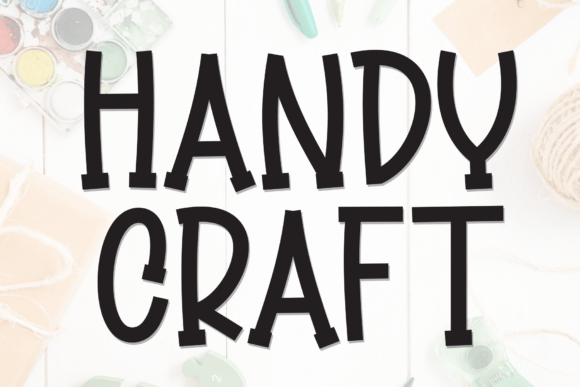
Choosing the right typeface is more than a design decision—it's a strategic move that influences perception, engagement, and brand alignment. Handy Craft stands out as a casual display font that blends modern simplicity with a playful, approachable vibe. Its clean shapes, soft edges, and well-balanced letterforms make it a versatile option for a wide range of visual communication needs. Whether you're crafting a social media graphic, designing product packaging, or building a brand identity, Handy Craft offers a fresh and friendly aesthetic that can enhance your message without sacrificing clarity.
Why Handy Craft Fits Into Strategic Design Planning
In today's visually driven marketplace, typography plays a crucial role in how audiences interpret information. Handy Craft is not just about looking good—it's about supporting your communication goals with a font that feels intentional and accessible. Its design bridges the gap between informal and professional, making it suitable for brands that want to appear both creative and credible.
From a planning perspective, incorporating Handy Craft into your design system can help maintain a consistent tone across marketing materials, digital assets, and physical products. When used thoughtfully, it reinforces a brand personality that's warm, human-centered, and contemporary. This consistency is key to long-term brand recognition and customer trust.
Use Cases Where Handy Craft Adds Value
- Branding for lifestyle and creative businesses – Whether it's a boutique, a wellness brand, or a digital course, Handy Craft's friendly tone aligns well with brands that emphasize connection and experience.
- Social media content – The font’s legibility and charm make it ideal for quote graphics, promotional posts, and stories where readability and visual appeal matter.
- Packaging design – For small-batch products, artisanal goods, or subscription boxes, Handy Craft brings a handcrafted, personalized feel that resonates with conscious consumers.
- Event posters and invitations – Its casual yet polished look works well for creative events, workshops, or community gatherings where a relaxed, inviting tone is desired.
How to Use Handy Craft with Intention
Like any design element, Handy Craft should be used intentionally rather than randomly. It’s not a one-size-fits-all solution, and its effectiveness depends on context, audience, and message. Here are some practical considerations to ensure it supports your goals:
- Define your brand voice – If your brand leans toward professionalism and formality, Handy Craft may not be the best fit. However, if you aim to be approachable, innovative, or community-focused, it can be a powerful visual tool.
- Balance with supporting fonts – To maintain readability and hierarchy, pair Handy Craft with a clean sans-serif or serif font for body text. This creates contrast and ensures your message is both engaging and easy to digest.
- Test in multiple formats – Before finalizing, check how Handy Craft appears across different mediums—digital screens, print materials, and mobile devices. This helps avoid legibility issues and ensures a cohesive visual experience.
When Not to Use Handy Craft
While Handy Craft brings a lot of personality to the table, it's not suitable for every project. Avoid using it in contexts where formality, precision, or technical clarity is required. For example, legal documents, financial reports, or highly technical user interfaces may suffer from the font’s casual nature. In such cases, readability and authority should take precedence over aesthetic appeal.
Also, using Handy Craft without a clear design strategy can lead to inconsistency and visual noise. It's easy to fall into the trap of using it simply because it looks “cute” or “trendy,” but doing so without aligning it to your brand’s purpose can dilute your message and confuse your audience.
Strategic Integration for Long-Term Results
Integrating Handy Craft into your design ecosystem should be part of a broader brand strategy. Start by evaluating your current visual identity and asking whether this font supports your long-term goals. If your brand is evolving toward a more personable or creative direction, Handy Craft could be a valuable asset. However, if your messaging is shifting toward professionalism or technical expertise, it may be better to explore more neutral typefaces.
When planning a redesign or launching a new campaign, consider conducting A/B testing with different fonts to see how your audience responds. This data-driven approach allows you to validate your design choices and make informed decisions that align with your audience’s expectations and preferences.
Planning Tips for Designers and Marketers
- Align with brand values – Use Handy Craft only if it reflects the tone and personality of your brand. Authenticity is key to long-term trust.
- Limit usage to key touchpoints – Reserve Handy Craft for headlines, logos, or featured text rather than using it throughout every piece of content. This preserves its impact and avoids visual fatigue.
- Document usage guidelines – Create a style guide that outlines when and how to use Handy Craft, including pairing fonts, color schemes, and spacing recommendations. This ensures consistency across teams and platforms.
Understanding the Risks of Random Typography Choices
Typography is a subtle but powerful form of communication. Choosing Handy Craft without a clear understanding of its role in your brand strategy can lead to misalignment, confusion, and missed opportunities. For example, using a playful font in a B2B proposal might undermine your professionalism. Similarly, overusing it across marketing materials can make your brand appear inconsistent or unpolished.
Instead of making random design choices, approach typography as part of your broader communication strategy. Every font should serve a purpose—whether that’s to build trust, spark joy, or convey expertise. When used intentionally, Handy Craft can be a strategic asset that enhances your visual storytelling and strengthens audience engagement.
Conclusion: Making Better Design Decisions with Handy Craft
In the world of digital and print design, small choices can have a big impact. Handy Craft offers a unique combination of clarity, charm, and versatility that makes it a smart choice for brands and creators who want to connect with their audience in a meaningful way. By understanding its strengths and limitations, you can use this font to support your goals, enhance your visual identity, and create more engaging content.
Ultimately, the value of Handy Craft lies not in its appearance alone, but in how it aligns with your brand’s purpose and audience needs. Whether you're launching a new product, updating your marketing materials, or designing for social media, take the time to evaluate how this font contributes to your overall strategy. When used with intention and care, it can be a powerful tool for building connection, clarity, and creativity in your visual communication.