Paxnat: A Strategic Typography Choice for Modern Design and Brand Expression
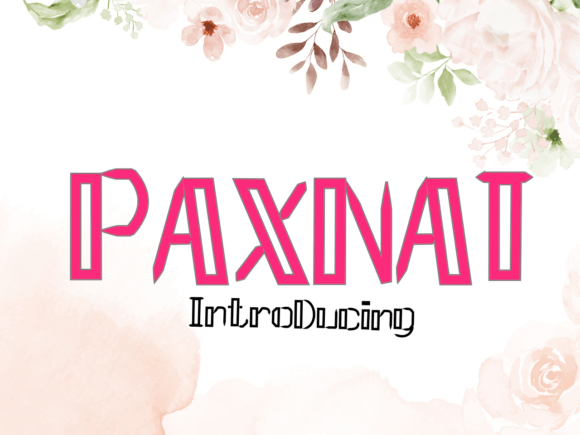
Typography plays a crucial role in how brands communicate, engage, and leave a lasting impression. Paxnat, a decorative geometric display font, offers a compelling blend of structure and artistry that can elevate visual communication when used thoughtfully. Its angular forms, handcrafted geometry, and unique cutouts make it stand out—not just aesthetically, but strategically.
Why Paxnat Matters in Contemporary Design Strategy
Designers and brand strategists are increasingly aware that typography is more than a visual element—it's a decision point that affects perception, tone, and memorability. Paxnat brings a futuristic, avant-garde edge that can signal innovation, confidence, and modernity. For brands looking to differentiate themselves in competitive markets, choosing a font like Paxnat can be a deliberate move rather than a stylistic afterthought.
Its experimental nature makes Paxnat ideal for projects where visual impact is central. Whether in branding, packaging, or event invitations, Paxnat communicates a sense of creative intent. However, its use should align with broader brand goals and audience expectations to avoid miscommunication or visual dissonance.
When to Use Paxnat for Maximum Impact
- Branding for fashion, tech, or lifestyle sectors – Paxnat’s modern edge resonates with audiences expecting innovation and trend-aware design.
- Poster and promotional materials – Its bold presence ensures legibility from a distance while maintaining artistic integrity.
- Logos and logotypes – When used sparingly, Paxnat can become the centerpiece of a strong visual identity.
- Packaging design – Especially for limited editions or boutique products where distinctiveness is key.
Consider Paxnat when you need to make a visual statement without sacrificing structural clarity. It thrives in environments where design is expected to be expressive yet intentional.
Planning for Effective Use of Paxnat
Before integrating Paxnat into your design system, it's essential to evaluate its fit within the broader visual and strategic framework. Typography should support, not overshadow, the message. Here are some strategic planning tips:
- Define the communication goal – Is the design meant to inform, inspire, or intrigue? Paxnat works best when the goal is to intrigue or inspire through visual creativity.
- Understand your audience – Does your target demographic respond to bold, modern design? If so, Paxnat may enhance engagement.
- Balance with complementary fonts – Pair Paxnat with simpler, more readable typefaces to maintain hierarchy and usability.
- Test across platforms – Ensure it renders well in both digital and print formats, especially at smaller sizes where detail may be lost.
Integrating Paxnat into a design system should be part of a larger brand strategy, not a spontaneous choice based on aesthetics alone.
Strategic Observations: How Paxnat Can Support Long-Term Goals
Typography contributes to brand recall and emotional connection. Paxnat, with its distinctive character, can become a memorable part of a brand’s visual language. Over time, consistent use can help build a strong, recognizable identity—especially for brands that want to be seen as bold, innovative, and design-forward.
However, long-term success with Paxnat depends on strategic consistency. A font that feels fresh today may become dated if not used with foresight. Brands should consider how Paxnat aligns with their long-term visual evolution and whether it can adapt as trends shift.
Common Pitfalls and How to Avoid Them
One of the most common mistakes when using a distinctive font like Paxnat is overuse. Because it commands attention, it can easily dominate a design if not balanced properly. Here are some key considerations to avoid missteps:
- Avoid using it for body text – Paxnat is best reserved for headlines, titles, and short-form display text where its character can shine without compromising readability.
- Don’t ignore brand alignment – If your brand voice is traditional or conservative, Paxnat may create a disconnect rather than reinforce your message.
- Be cautious with color and contrast – The angular, geometric nature of Paxnat can become visually overwhelming if paired with complex backgrounds or clashing color schemes.
Using Paxnat without a clear design or brand strategy can lead to inconsistency and dilute your visual message. Always test its application in real-world contexts before finalizing.
Decision-Making Guidance: Is Paxnat Right for Your Project?
Ask yourself the following questions before choosing Paxnat:
- Does the font support the emotional tone of the project?
- Will it enhance readability in key visual areas?
- Is it appropriate for the target audience’s expectations?
- Have I tested it in various formats and sizes?
If the answers align with your strategic goals, Paxnat can be a powerful tool in your design toolkit. Otherwise, consider alternatives that better match your brand’s tone and purpose.
Conclusion: Typography as a Strategic Asset
In today’s design-driven market, typography is no longer just about legibility—it's about storytelling, differentiation, and emotional resonance. Paxnat, with its bold structure and playful modernity, offers a unique opportunity to elevate design work beyond the expected.
But like any design tool, its value lies in how it’s used. By approaching Paxnat with intention, clarity, and strategic alignment, designers and brand leaders can harness its full potential to create memorable, impactful visuals that stand the test of time.